
Top stories in Nova Scotia

Breaking
UPDATED: Friday collision in Big Pond sends six to hospital, some life-threatening
Updated 18 minutes ago
|2 min read

A multimillion-dollar question: Should the lobster carapace size be increased in southwestern Nova Scotia?
Updated 20 minutes ago
|9 min read

N.S. justice minister apologizes for saying domestic violence isn’t epidemic
Updated 22 hours ago
|3 min read
Suspicious commercial building fire in Digby County sparks RCMP investigation
Updated 1 hour ago
|2 min read
A guide to Earth Day weekend in Halifax
Updated 2 hours ago
|5 min read
Local
More
Suspicious commercial building fire in Digby County sparks RCMP investigation
Updated 1 hour ago
|2 min read

N.S. apartment dispute boils over into gun threats: 'I should shoot you'
Updated 1 hour ago
|3 min read

A multimillion-dollar question: Should the lobster carapace size be increased in southwestern Nova Scotia?
Updated 20 minutes ago
|9 min read
UPDATE: Dangerous man with firearm in custody after emergency alert issued for Bible Hill, N.S.
Updated 6 hours ago
|1 min read
N.S. justice minister apologizes for saying domestic violence isn’t epidemic
Updated 22 hours ago
|3 min read
Opinion
More
DAVID DELANEY: Feeling unwelcome in public buildings
Updated 59 minutes ago
|4 min read

JOHN DeMONT: We have met the enemy and they are us
Updated 2 hours ago
|5 min read

LETTER: St. John's building a safer community by empowering individuals
Updated 3 hours ago
|3 min read
COVID VIGNETTE: A mysterious cancer resurgence
Updated 4 hours ago
|4 min read
COMMENTARY: Nova Scotians still face longest health-care wait times in Canada
Updated 4 hours ago
|3 min read
Business
More
MONEY LADY PODCAST: How to author a wealthier life
Updated 21 hours ago
|1 min read

HALIFAX RETALES: Danielle Latour tapping the Korean rice beverage market
Updated Apr. 15, 2024
|3 min read

SYLVAIN CHARLEBOIS: The Trudeau paradox of more spending and more hunger
Updated 19 hours ago
|4 min read
Prices at the Pumps: An up and down week at the pumps
Updated a day ago
|1 min read
Japan's finance minister gives fresh warning on excessive yen moves
Updated 1 minutes ago
|1 min read
Lifestyles
More
Two Cape Breton music industry greats to be honoured at 2024 ECMAs
The East Coast Music Association (ECMA) is set to honour two well-known Cape Breton music industry members, Bruce Guthro and Stephen Muise, next month at the annual awards ceremony in Charlottetown, P.E.I.
Bruce Guthro, who passed away last ...
Updated 57 minutes ago
|3 min read
Cape Breton Music Industry Hall of Fame to announce 2024 inductees next week
Updated 1 hour ago
|1 min read

AC/DC tribute band to perform in Pictou County
Updated 2 hours ago
|2 min read

Sports
More
Wanderers fall 2-0 to Vancouver FC, lose second straight to start CPL season in B.C.
Updated 3 hours ago
|5 min read


Antigonish Bulldogs win third straight NSJHL title in double overtime
Updated a day ago
|1 min read
Mooseheads fire head coach Jim Midgley and assistant coach Liam Heelis
Updated Apr. 16, 2024
|2 min read
BASKETBALL: St. F.X.'s Reddick, Thomas and Dal's Christie get pro opportunities
Updated Apr. 15, 2024
|4 min read
Communities
MoreSuspicious commercial building fire in Digby County sparks RCMP investigation
Updated 1 hour ago
|2 min read
A multimillion-dollar question: Should the lobster carapace size be increased in southwestern Nova Scotia?
Updated 20 minutes ago
|9 min read
AC/DC tribute band to perform in Pictou County
Updated 2 hours ago
|2 min read
COVID VIGNETTE: A mysterious cancer resurgence
Updated 4 hours ago
|4 min read
ATHLETE OF THE WEEK: Local baseball player loves being the leader
Updated 4 hours ago
|3 min read
Canada
More
Alberta municipalities, farmers agree to cut water use as drought persists
Updated 1 hour ago
|2 min read

Impaired driving charges laid after powerline pole destroyed in hit and run
Updated 1 hour ago
|2 min read

Cocaine, oxycodone seized, four arrested in Charlottetown drug bust
Updated 29 minutes ago
|2 min read
'That wait list should have been my death sentence': Recovering N.L. addict says waiting months for rehab almost killed him
Updated 3 hours ago
|6 min read
P.E.I. government hired some critical PCH staff, but question of when Summerside hospital's ICU will reopen remains murky
Updated 53 minutes ago
|6 min read
World
More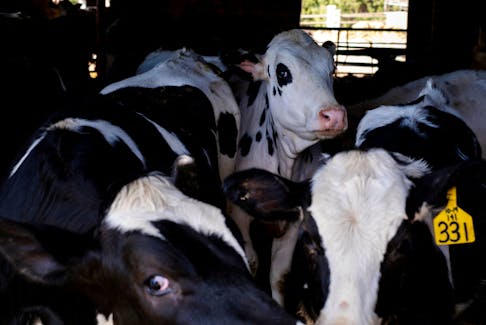
USDA confirms cow-to-cow transmission a factor in bird flu spread
By Tom Polansek CHICAGO (Reuters) - The U.S. Department of Agriculture said this week that cow-to-cow transmission is a factor in the spread of bird flu in dairy herds, but it still does not know exactly how the virus is being moved around.
Updated 20 minutes ago
|2 min read
RFK Jr running mate injects needed cash in independent's campaign
Updated 40 minutes ago
|3 min read

Organisers of Jewish pilgrimage in Tunisia cancel annual celebrations over Gaza
Updated 49 minutes ago
|1 min read

Person covered in flames outside NY courthouse where Trump trial underway, says CNN
Updated just now
|1 min read
UN rights chief urges states to act on slavery reparations
Updated 1 hour ago
|2 min read
Butler Hall Capital urges Vanda to engage in sales discussions
Updated 1 hour ago
|1 min read
Recent Stories

Japan's finance minister gives fresh warning on excessive yen moves
Updated 1 minutes ago
|1 min read

‘It’ll be a huge change to the community’: Residents pour out to voice opposition to proposed Bear Head Energy wind project
Updated 6 minutes ago
|9 min read
C$ notches weekly gain as market works off oversold position
Updated 8 minutes ago
|2 min read
USDA confirms cow-to-cow transmission a factor in bird flu spread
Updated 20 minutes ago
|2 min read
Analysis-Political heat prods Japan, South Korea to team up on weak currencies
Updated 21 minutes ago
|4 min read